Common Training Mistakes (And How to Fix Them Without Stress)

Dog training doesn’t fail because people don’t care.
It usually fails because well-meaning humans are given confusing advice or unrealistic expectations or are told they need to be “more dominant” than their dog (spoiler: you don’t).
If you’ve ever thought:
“Why isn’t this working?”
“My dog knows this at home but forgets everything outside.”
“Am I doing something wrong?”
Take a breath. You’re not alone - and you’re definitely not a bad dog owner.
Let’s walk through some of the most common training mistakes I see and, more importantly, how to fix them without stress, shouting, or guilt.
Mistake 1: Expecting Too Much, Too Soon
Dogs don’t generalise learning the way humans do.
A dog that can “sit” perfectly in your kitchen hasn’t failed when they ignore you in the park - they’re just learning that cues change depending on environment, distractions, and excitement.
✅ The Fix:
Train in layers: quiet room → garden → quiet street → busy areas
Lower your expectations when distractions go up
Progress slowly - confidence beats speed every time
Training is a marathon, not a TikTok trend.
Mistake 2: Being Inconsistent (Without Realising It)
One day the dog is allowed on the sofa. The next day… not so much.
From your dog’s point of view, the rules feel like they’re changing hourly.
✅ The Fix:
Decide on rules once - then stick to them
Make sure everyone in the household plays by the same rulebook
Consistency builds clarity, and clarity builds calm dogs
Your dog isn’t stubborn - they’re confused.

Mistake 3: Using Rewards Incorrectly (Or Phasing Them Out Too Soon)
Rewards don’t bribe dogs - they teach value.
Many people stop rewarding just as the behaviour is starting to stick, which is like quitting the gym the week before results show.
✅ The Fix:
Reward generously during learning stages
Fade treats gradually, not suddenly
Mix rewards: food, praise, toys, sniff time
Good behaviour should always feel worth it to your dog.
Mistake 4: Repeating Cues Over and Over
“Sit… sit… SIT… SIT!”
What dogs learn here isn’t the cue - it’s that they can wait until the fifth request.
✅ The Fix:
Say the cue once
If the dog doesn’t respond, reset and help them succeed
Train when success is likely, not when distractions are overwhelming
Clear communication beats volume every time.
Mistake 5: Training When You’re Already Frustrated
Dogs are emotional sponges.
They feel tension before they understand words, and frustration leaks into timing, tone, and body language.
✅ The Fix:
Keep sessions short (5–10 minutes)
End on a win, even if it’s a small one
If you’re stressed - pause training, not patience
Calm humans create calm learners.
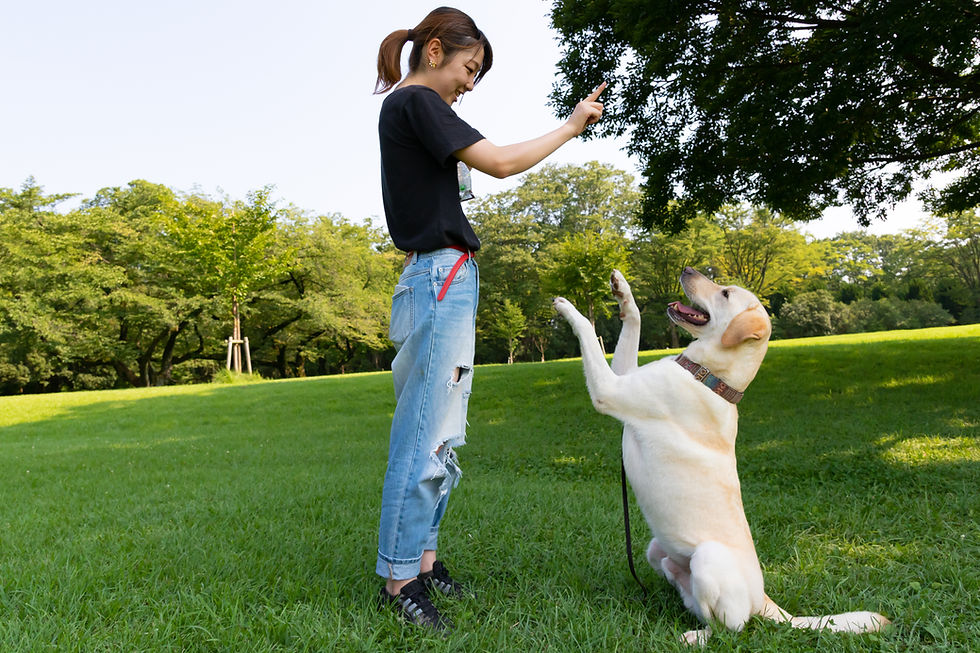
Mistake 6: Forgetting That Training Is a Relationship
Training isn’t about control. It’s about communication, trust, and teamwork.
Dogs learn best when they feel safe, understood, and successful.
✅ The Fix:
Focus on connection before correction
Celebrate progress, not perfection
Remember: your dog is learning how to live in your world
Every small win counts.
Final Thoughts
If training feels messy, slow, or imperfect—congratulations. That means you’re doing something real.
Dogs don’t need flawless handlers. They need patient ones.
With clear communication, fair expectations, and a little kindness (for both ends of the lead), training becomes less of a battle… and more of a conversation.
And that’s where the magic really happens 🐶✨
If you’d like support with dog training, walking, or building calmer routines, Bark & Ride is always happy to help. Contact me today.
063 New


Comments